

Dallas (214) 340-8885
Athens (903) 677-9090
Gun Barrel City (903) 887-4341

Leave Google Review for podiatrist Jonathan M. Kletz, DPM of Texas Foot Works
Texas Foot Works

Choosing the Best Shoes for Your Child's Growing Feet

Choosing the right shoes for a child is a great way to support healthy foot development and promote comfort while walking, running, and playing. Children's feet are still growing, and the bones, muscles, and ligaments are not fully developed. Many toddlers have flat-looking feet when they first begin walking because a layer of fat hides the arch. This is usually a normal part of growth. Shoes should protect the feet while allowing natural movement. A good shoe includes a comfortable fit, enough room for the toes, and a flexible sole that bends near the front of the foot. The shoe should also have a secure fastening system, such as laces or straps, to help keep the foot stable inside the shoe.

As children become more active, shoes that fit properly become even more important. Shoes that are too tight can lead to discomfort and can contribute to problems like ingrown toenails. Shoes that are too loose can affect balance and increase the risk of tripping. Children's feet grow quickly, and changes in size can occur within a relatively short period. Some children also walk with their feet turned inward or outward during early childhood. In many cases, these walking patterns improve as strength, posture, and coordination develop. However, severe changes in walking patterns or symptoms that affect only one leg deserve professional evaluation. A podiatrist can assess foot structure, walking patterns, and shoe fit to determine whether treatment is needed.

Parents should also watch for signs that a child may be experiencing a foot problem. Warning signs include foot or heel pain, limping, or stiffness. Other concerns include persistent flat feet that limit activity, unusually shaped toes, or difficulty keeping up with other children while walking or running. A podiatrist can examine the feet, identify the cause of symptoms, and recommend appropriate treatment. Professional guidance can also help parents choose shoes that support healthy growth and comfortable movement. If your child has foot pain or if you need help in managing your child's foot health, it is suggested that you schedule an appointment with a podiatrist.

Making sure that your children maintain good foot health is very important as they grow. If you have any questions, contact Dr. Jonathan Kletz of Texas Foot Works. Our doctor can provide the care you need to keep you pain-free and on your feet.

Keeping Children's Feet Healthy

Having healthy feet during childhood can help prevent medical problems later in life, namely in the back and legs. As children grow, their feet require different types of care. Here are some things to consider...

Although babies do not walk yet, it is still very important to take care of their feet.

Avoid putting tight shoes or socks on his or her feet.

Allow the baby to stretch and kick his or her feet to feel comfortable.

As a toddler, kids are now on the move and begin to develop differently. At this age, toddlers are getting a feel for walking, so don’t be alarmed if your toddler is unsteady or ‘walks funny’. 

As your child gets older, it is important to teach them how to take care of their feet.

Show them proper hygiene to prevent infections such as fungus.

Be watchful for any pain or injury.

Have all injuries checked by a doctor as soon as possible.

Comfortable, protective shoes should always be worn, especially at play.

If you have any questions, please feel free to contact one of our our offices located in Dallas, Athens, and Gun Barrel City, TX . We offer the newest diagnostic and treatment technologies for all your foot care needs.

Read more about What to Do to Keep Your Child’s Feet Healthy

Facts About Athlete’s Foot

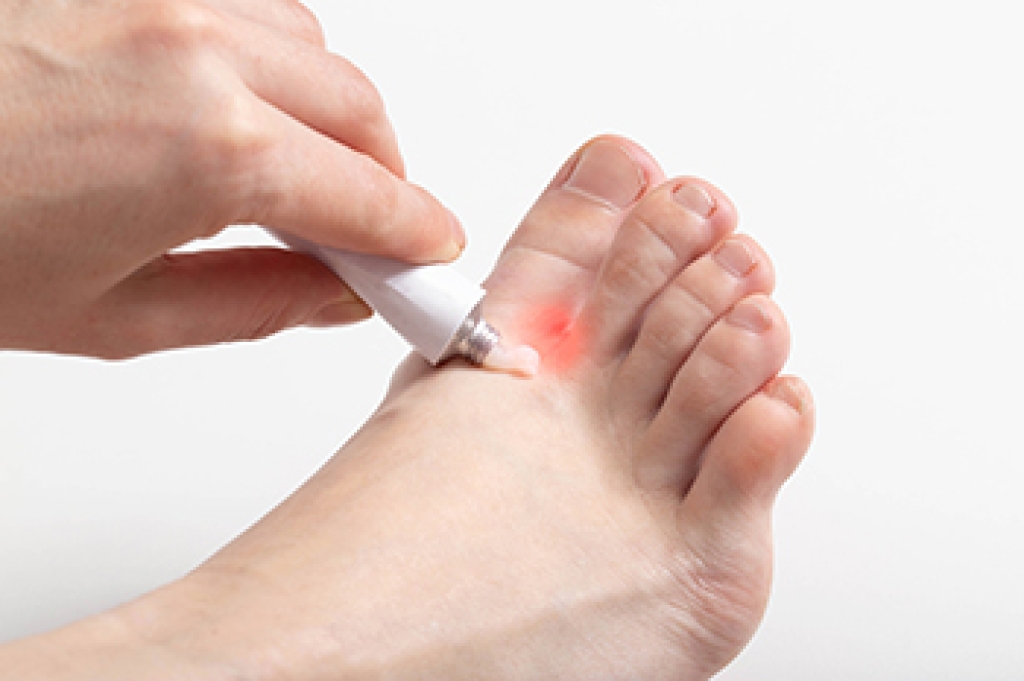
Athlete’s foot is a contagious fungal infection that affects the skin on the feet. This fungus is a living organism that grows best in warm, moist environments. The infection commonly develops between the toes, but it can also affect the soles of the feet and the toenails. Because the fungus spreads easily, athlete’s foot is frequently picked up in places where people walk barefoot. These areas include locker rooms, swimming pool decks, and public shower areas. The infection can also spread through contact with contaminated shoes, socks, towels, and other surfaces. People who wear closed shoes for long periods of time, or whose feet stay damp, are at greater risk of developing athlete’s foot.

The symptoms of athlete’s foot can range from mild to severe. Common signs include itching, redness, and peeling skin. Some people develop cracking between the toes, while others notice burning sensations or painful skin irritation. Small blisters filled with fluid can also form. When the infection spreads to the toenails, the nails can become thick, brittle, and discolored. Athlete’s foot can affect comfort while walking, and may make daily activities more difficult. Because other foot conditions can look similar, a proper diagnosis is important. A podiatrist can examine the skin, identify the source of the problem, and determine whether a fungal infection is present.

Treatment focuses on eliminating the fungus and preventing the infection from becoming more severe. A podiatrist can recommend prescription-strength medications when appropriate and monitor the skin for signs of complications. In some cases, athlete’s foot can lead to bacterial infections, as harmful germs enter damaged skin. Early treatment can help reduce discomfort and limit the spread of the fungus to other areas of the body or to other people. If you have an athlete's foot infection, it is suggested that you schedule an appointment with a podiatrist for an accurate diagnosis and appropriate treatment solutions, which may include prescribed medication.

Athlete’s Foot

Athlete’s foot is often an uncomfortable condition to experience. Thankfully, podiatrists specialize in treating athlete’s foot and offer the best treatment options. If you have any questions about athlete’s foot, consult with Dr. Jonathan Kletz from Texas Foot Works. Our doctor will assess your condition and provide you with quality treatment.

What Is Athlete’s Foot?

Tinea pedis, more commonly known as athlete’s foot, is a non-serious and common fungal infection of the foot. Athlete’s foot is contagious and can be contracted by touching someone who has it or infected surfaces. The most common places contaminated by it are public showers, locker rooms, and swimming pools. Once contracted, it grows on feet that are left inside moist, dark, and warm shoes and socks.

Prevention

The most effective ways to prevent athlete’s foot include:

  • Thoroughly washing and drying feet
  • Avoid going barefoot in locker rooms and public showers
  • Using shower shoes in public showers
  • Wearing socks that allow the feet to breathe
  • Changing socks and shoes frequently if you sweat a lot

Symptoms

Athlete’s foot initially occurs as a rash between the toes. However, if left undiagnosed, it can spread to the sides and bottom of the feet, toenails, and if touched by hand, the hands themselves. Symptoms include:

  • Redness
  • Burning
  • Itching
  • Scaly and peeling skin

Diagnosis and Treatment

Diagnosis is quick and easy. Skin samples will be taken and either viewed under a microscope or sent to a lab for testing. Sometimes, a podiatrist can diagnose it based on simply looking at it. Once confirmed, treatment options include oral and topical antifungal medications.

If you have any questions, please feel free to contact one of our our offices located in Dallas, Athens, and Gun Barrel City, TX . We offer the newest diagnostic and treatment technologies for all your foot care needs.

Read more about How to Deal with Athlete's Foot

Swollen Big Toe Causes and Symptoms

A swollen big toe can make walking uncomfortable and interfere with daily activities. The swelling may develop suddenly or gradually, depending on the cause. In some cases, the toe becomes red, warm, and painful. Other symptoms include stiffness, tenderness, or difficulty wearing shoes. Several conditions can lead to a swollen big toe, including gout, bunions, and arthritis. Gout is a type of arthritis caused by a buildup of uric acid crystals in a joint. Bunions are bony bumps that form near the base of the big toe. Arthritis causes joint inflammation and can limit movement. A podiatrist can identify the source of the swelling and determine the most appropriate treatment.

Because different conditions can create similar symptoms, a professional evaluation is important. Symptoms associated with a swollen big toe vary according to the underlying condition. Some patients experience sharp pain and redness. Others develop stiffness and reduced motion. A swollen toe caused by an injury can include bruising, tenderness, and difficulty putting weight on the foot. Additional signs include warmth around the joint. Some patients notice a visible bump near the side or top of the toe. A podiatrist performs a physical examination and reviews medical history. Diagnostic testing may include X-rays or other scans to help confirm the cause.

Treatment focuses on reducing pain, controlling inflammation, and improving function. A podiatrist may recommend medication for gout-related swelling or provide treatment for arthritis symptoms. Structural problems, such as bunions, can require custom treatment plans designed to reduce pressure on the joint. When an injury is responsible, a podiatrist can evaluate the severity of the damage and recommend appropriate care. Early diagnosis helps prevent additional joint problems and can improve comfort while walking. If your big toe is swollen and painful, it is suggested that you schedule an appointment with a podiatrist for an accurate diagnosis and effective treatment solutions.

Toe pain can disrupt your daily activities. If you have any concerns, contact Dr. Jonathan Kletz of Texas Foot Works. Our doctor can provide the care you need to keep you pain-free and on your feet.

What Causes Toe Pain?

Most severe toe pain is caused due to a sports injury, trauma from dropping something heavy on the toe, or bumping into something rigid. Other problems can develop over time for various reasons.

Toe pain can be caused by one or more ailments. The most common include:

  • Trauma
  • Sports injury
  • Wearing shoes that are too tight
  • Arthritis
  • Gout
  • Corns and calluses
  • Hammertoe
  • Bunions
  • Blisters
  • Ingrown toenails
  • Sprains
  • Fractures (broken bones)
  • Dislocations

When to See a Podiatrist

  • Severe pain
  • Persistent pain that lasts more than a week
  • Signs of infection
  • Continued swelling
  • Pain that prevents walking

Diagnosis

In many cases the cause of toe pain is obvious, but in others, a podiatrist may want to use more advanced methods to determine the problem. These can range from simple visual inspections and sensation tests to X-rays and MRI scans. Prior medical history, family medical history, and any recent physical traumatic events will all be taken into consideration for a proper diagnosis.

Treatment

Treatments for toe pain and injuries vary and may include shoe inserts, padding, taping, medicines, injections, and in some cases, surgery. If you believe that you have broken a toe, please see a podiatrist as soon as possible.

If you have any questions please contact one of our our offices located in Dallas, Athens, and Gun Barrel City, TX . We offer the newest diagnostic and treatment technologies for all your foot and ankle needs.
Read more about Toe Pain

Plantar Fasciitis and Morning Heel Pain

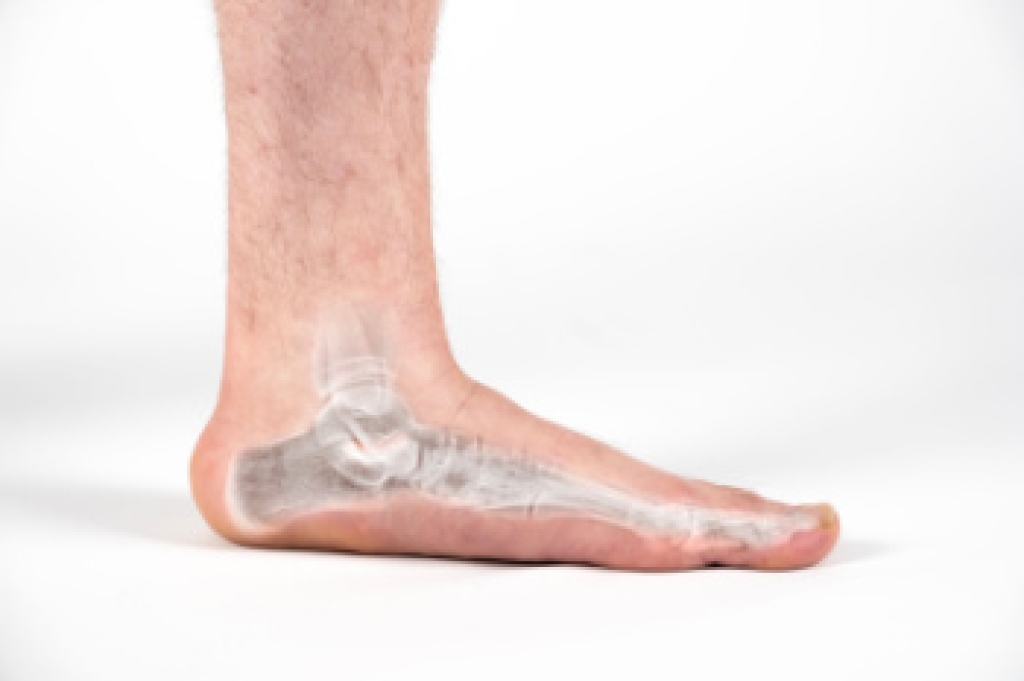
Plantar fasciitis is a common condition involving inflammation of the thick band of tissue that supports the arch of the foot. It often causes sharp pain in the heel, especially with the first steps in the morning or after periods of rest. This discomfort typically lessens as walking continues, but it may return after long periods of exertion. Pain is usually felt along the bottom of the heel and arch. Risk factors include prolonged standing, tight calf muscles, and flat feet. Having high arches and wearing shoes that lack support are other factors. Early attention can prevent worsening symptoms. A podiatrist can diagnose the condition, recommend stretching, orthotics, and other treatments to reduce strain. If you have heel pain, it is suggested that you promptly consult a podiatrist who can begin effective relief and treatment solutions.

Plantar fasciitis can be very painful and inconvenient. If you are experiencing heel pain or symptoms of plantar fasciitis, contact Dr. Jonathan Kletz  from Texas Foot Works. Our doctor can provide the care you need to keep you pain-free and on your feet.

What Is Plantar Fasciitis?

Plantar fasciitis is the inflammation of the thick band of tissue that runs along the bottom of your foot, known as the plantar fascia, and causes mild to severe heel pain.

What Causes Plantar Fasciitis?

  • Excessive running
  • Non-supportive shoes
  • Overpronation
  • Repeated stretching and tearing of the plantar fascia

How Can It Be Treated?

  • Conservative measures – anti-inflammatories, ice packs, stretching exercises, physical therapy, orthotic devices
  • Shockwave therapy – sound waves are sent to the affected area to facilitate healing and are usually used for chronic cases of plantar fasciitis
  • Surgery – usually only used as a last resort when all else fails. The plantar fascia can be surgically detached from the heel

While very treatable, plantar fasciitis is definitely not something that should be ignored. Especially in severe cases, speaking to your doctor right away is highly recommended to avoid complications and severe heel pain. Your podiatrist can work with you to provide the appropriate treatment options tailored to your condition.

If you have any questions, please feel free to contact one of our our offices located in Dallas, Athens, and Gun Barrel City, TX . We offer the newest diagnostic and treatment technologies for all your foot care needs.

Read more about Plantar Fasciitis
Connect with us
Leave Google Review for podiatrist Jonathan M. Kletz, DPM of Texas Foot Works

Podiatrist Jonathan M. Kletz, DPM of Facebook Foot Doctor Jonathan M. Kletz, DPM on Twitter Podiatry Bog of Texas